
Consistency Is Invisible—Until It Isn't: Why Terminological Consistency Defines Great Board Game Localization.
Players rarely notice excellent localization.
They notice when a rule is confusing. They notice when a card uses one term, and the rulebook uses another. They notice when an icon references a mechanic that appears under a different name elsewhere in the game. What they experience isn't simply "bad translation"—most of the time it's inconsistency.
In board game localization, terminological consistency is not a luxury or a final proofreading step. It is one of the foundations of the player experience.
A board game is a system of interconnected rules. Every keyword, action, component, phase, and game mechanic forms part of that system. Unlike many other types of content, game terminology is not merely descriptive; it carries mechanical meaning. A single word can determine whether a player understands the rules correctly or misplays an entire game.
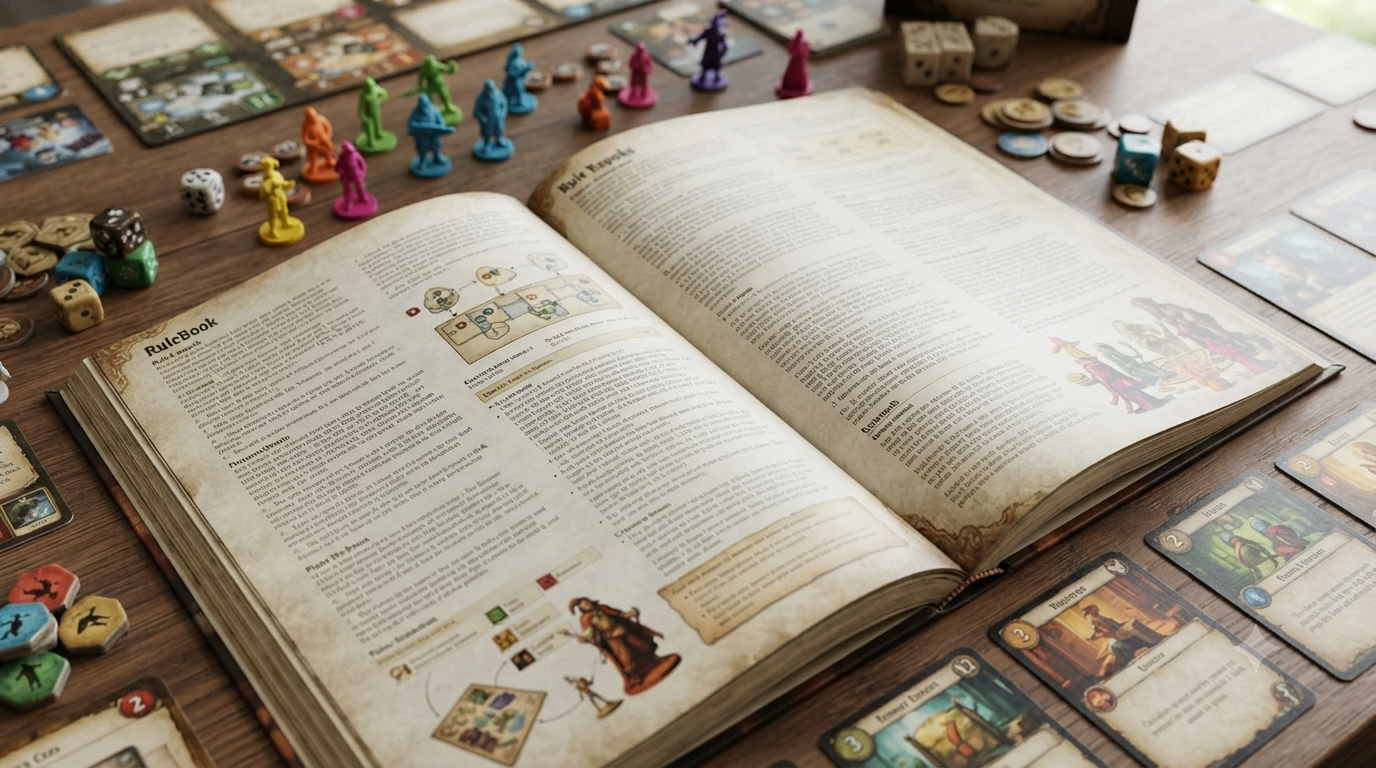
Why Rulebooks Fail (And It's Not Always the Translation)
Great board games can be let down by unclear rulebooks. When those rules are localized, every ambiguity is amplified. As localizers, we often inherit problems that did not begin with the target language. Understanding where these problems originate is the first step toward creating a better player experience.
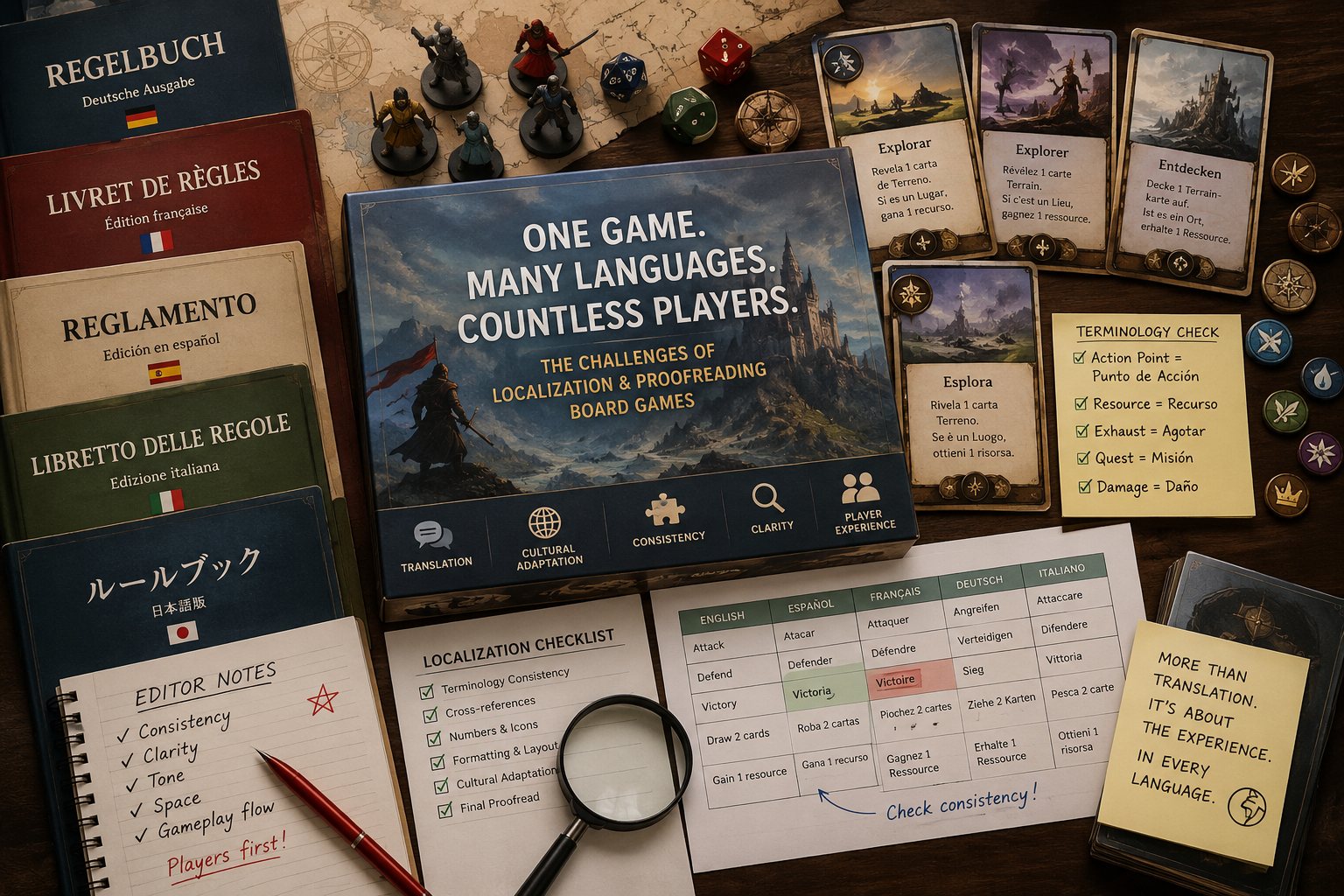
The Hidden Challenges of Board Game Localization and Proofreading
Board games have experienced remarkable growth over the past decade. What was once considered a niche hobby has evolved into a global industry that reaches millions of players across different cultures, languages, and markets.
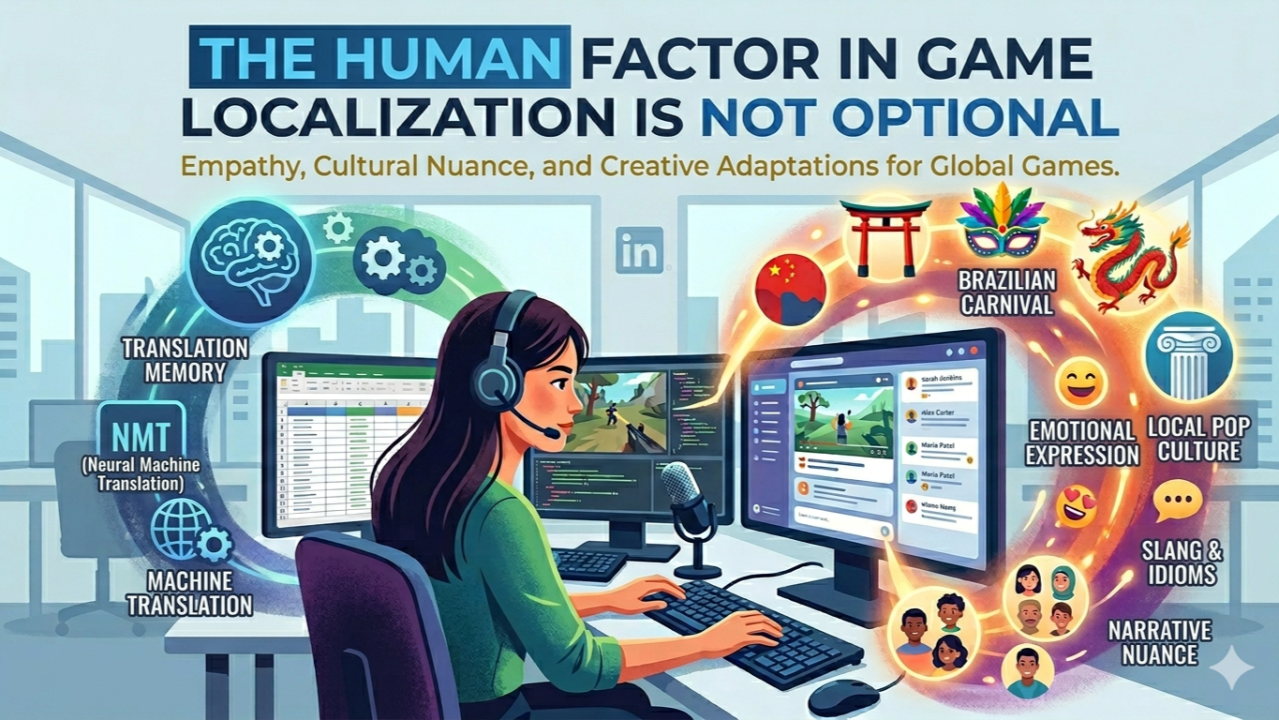
The human factor in Game Localization is not optional
The game industry is moving faster than ever. AI tools, machine translation, automation pipelines, and large language models are transforming workflows across development and localization. Efficiency has become the keyword of the decade.
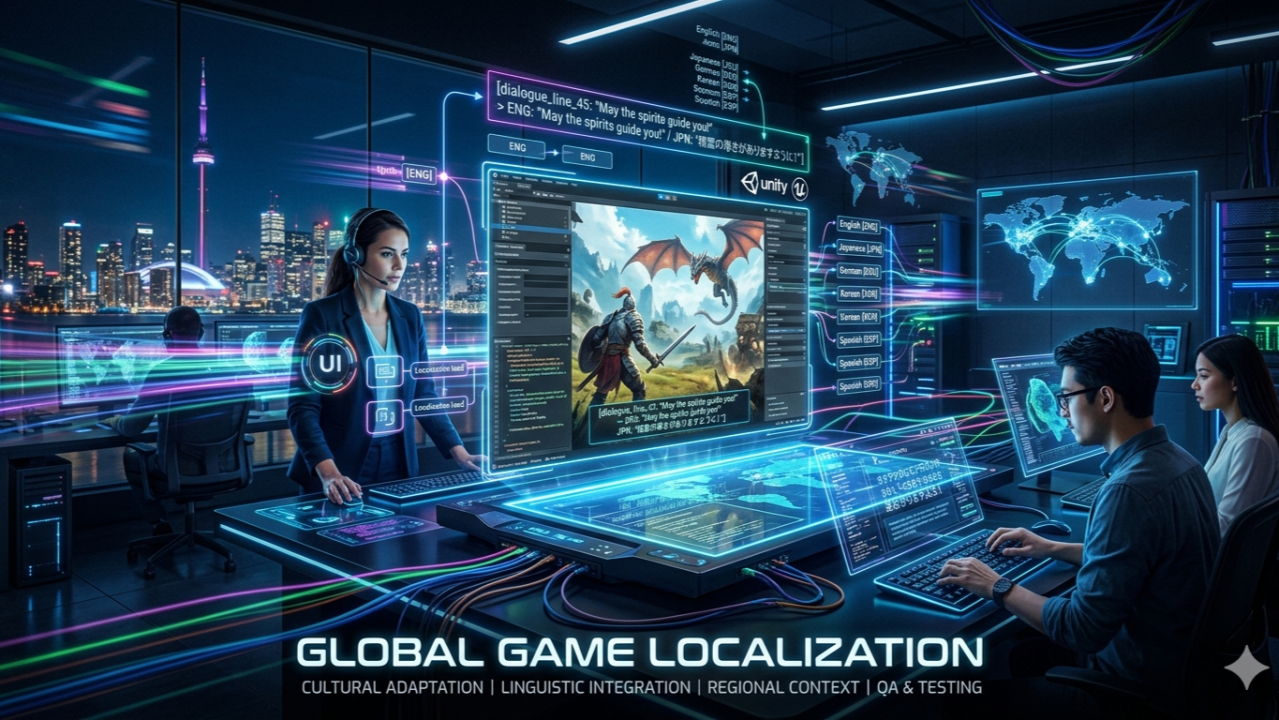
Localization in Games: The invisible force behind global $uccess
Localization in the gaming industry is often misunderstood as a simple act of translation. In reality, it is a strategic, creative, and highly technical process that determines whether a game resonates—or fails—across cultures.